


Induratus Cloth Ventus Rota Fabrica
Ventus Rota durata Cloth est professio poliendi et sandiendi instrumentum ex pluribus stratis pannum induratum cum amylo vel resina speciali. Pannus obduratus moderatam rigiditatem et vim sectionis bonam habet, nominatim ad minuendos fricandos et initiales poliendas faciendos. Sive in metallis, lignis, sive in superficiebus plasticis, Cloth Ventus Rota durata effectum molendi aequabilem et moderatum praebet, solido fundamento ponens ad subtilitatem subsequentem poliendam.
commoda:
Minor Scratch Remotio - Modus secans vim pannorum indurati efficaciter removet minora fricationes et imperfectiones, praeparans superficiem ad expolitionem subsequentem.
Initialis politura - Etiam pressio in sandificatione consequitur in superficie leni et meliori materiali fini.
Dura et efficiens - Pannus obduratus valde mollis est, minus proclivis ad fracturam vel deformationem, suam dilatationem vitae et laboris augendi efficientiam.
Apta:
· Praevia expolitio partium metallicarum et chartarum
· Curatio superficiei arcium lignorum
· Levis expolitio superficierum materiarum plasticarum et compositarum
· processus Industrialis et manus subtilis poliuntur
Instructiones ad usum:
1. Instrue linteum durum impulsorem electricum politorem vel manualem instrumentum poliendi.
2. Opus superficiei mundare et pressionem etiam adhibere dum poliuntur.
3. Itera processum prout opus est ad optimos eventus consequendos, secundum severitatem fricandi.
Product elucidat:
· Pannus induratus cum modica sectione vi
· Diuturnitatem et resistentiam deformationis super diuturnum usum
· Minor exasperat et removet effectum uniformem initialem expolitio
· Apta et industriae et manus expolitio
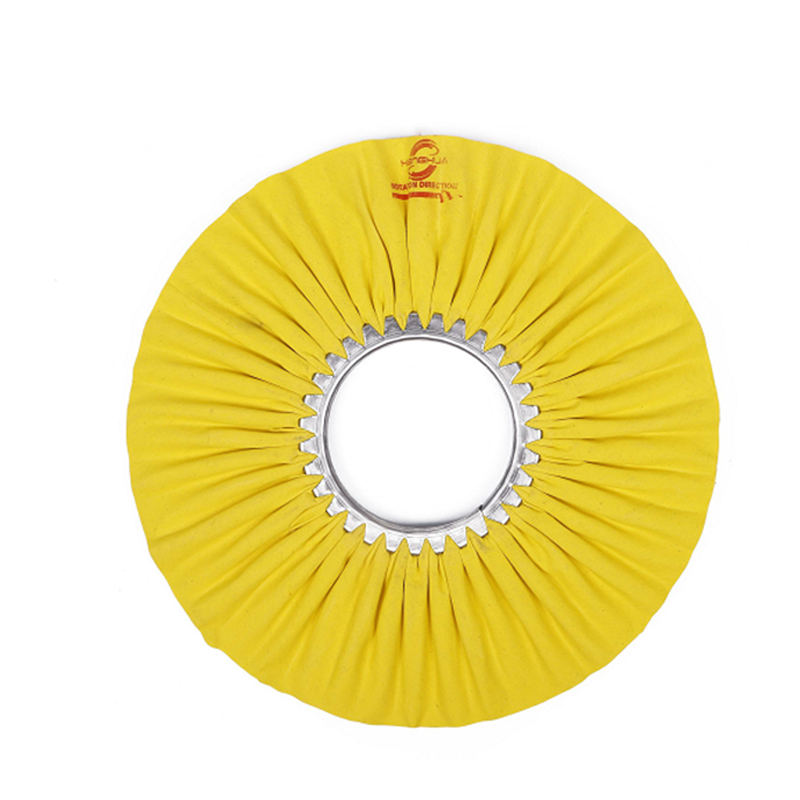
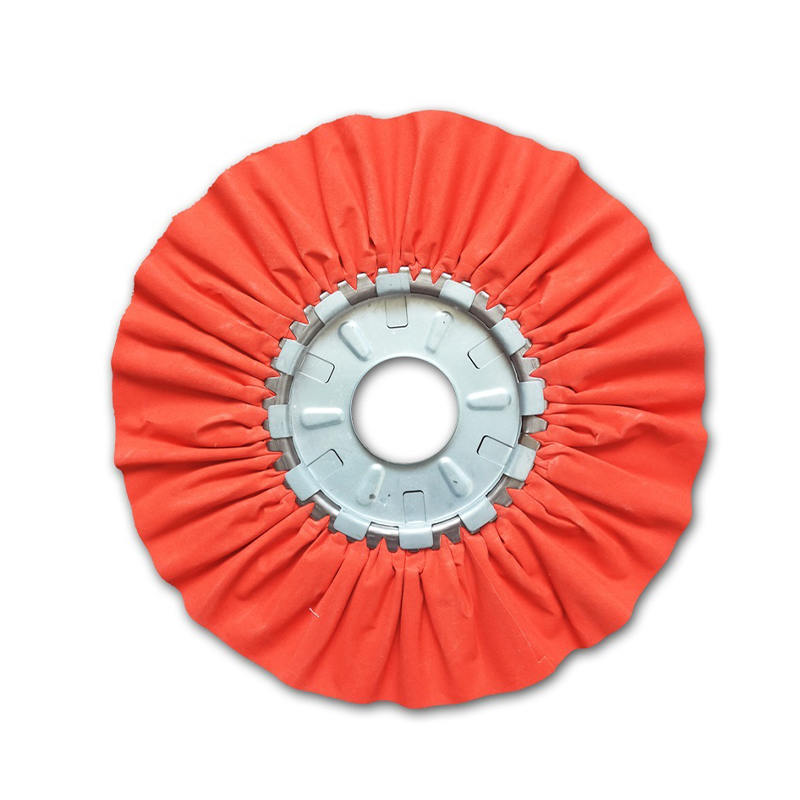
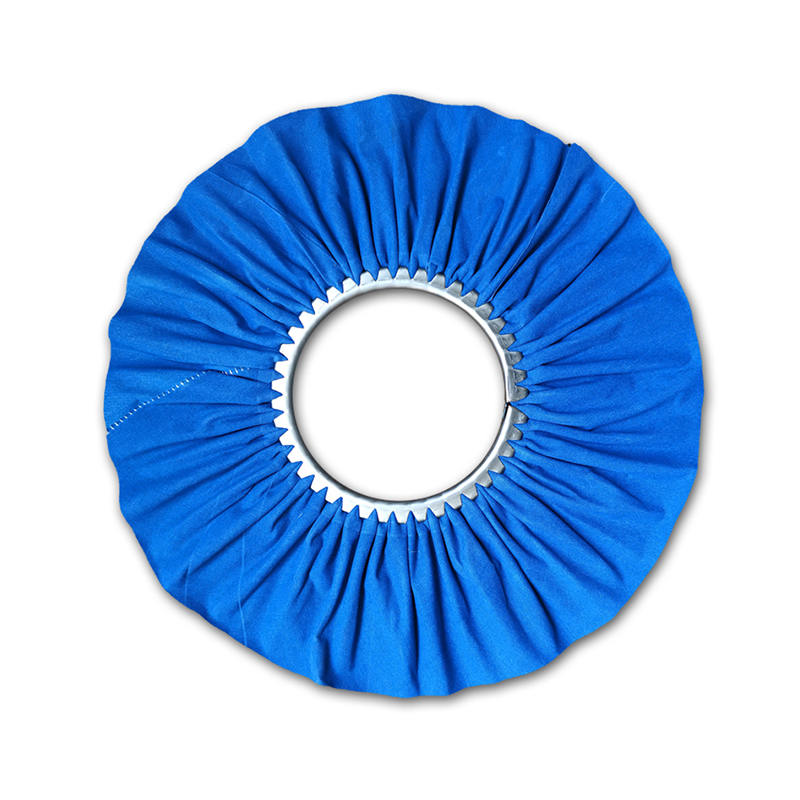
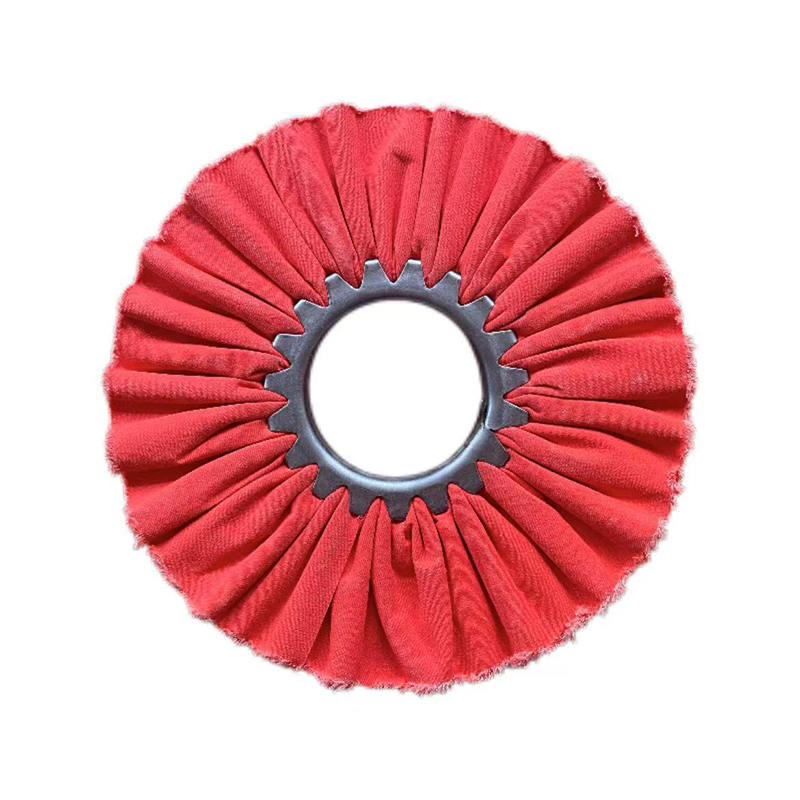
De
Ningbo Henghua Metal Surface Treatment Technology Co., Ltd.
Ningbo Henghua Metal Surface Treatment Technology Co., Ltd. este situata in Dongjiaqiao, Jishigang, Districtul Haishu, Orasul Ningbo Bo, Provincia Zhejiang, China. Ca o fabrica din China Induratus Cloth Ventus Rota furnizori, S.C. Henghua Metal Surface Treatment Technology S.R.L. ofera diverse materiale de lustruire personalizate. Compania a fost infiintata in 2016, cu o suprafata a fabricii de 3.500 de metri patrati, peste 10 seturi de echipamente avansate de productie pentru roti din panza, 2 linii complet automatizate de conservare, si poate personaliza productia de roti de vant din panza de diferite tipuri si dimensiuni. Roata Ma, ceara de lustruire, roata chiye, pasta de lustruire pentru metale si alte produse, clientii sunt raspanditi in America de Sud, Statele Unite, Europa, Orientul Mijlociu etc. In ultimii ani, compania a inovat continuu pentru a imbunatati eficienta de lucru a materialelor de lustruire si a castigat recunoasterea clientilor. Bine ati venit clientii care au nevoie sa sune pentru a negocia cooperarea!
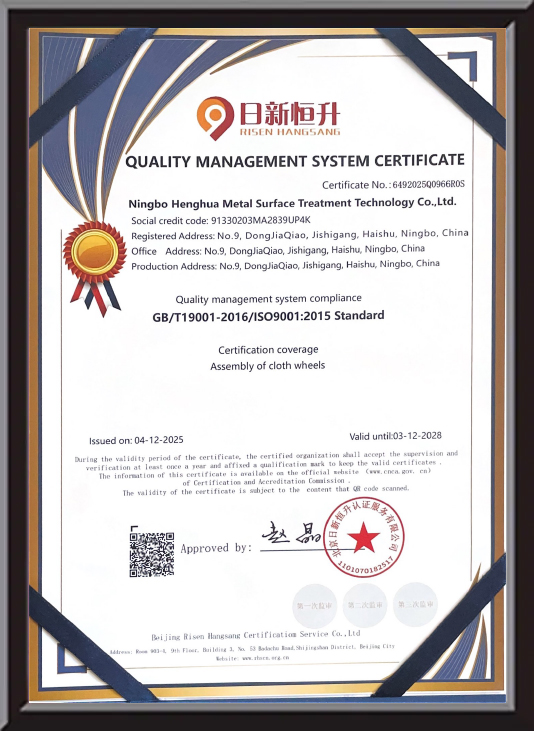
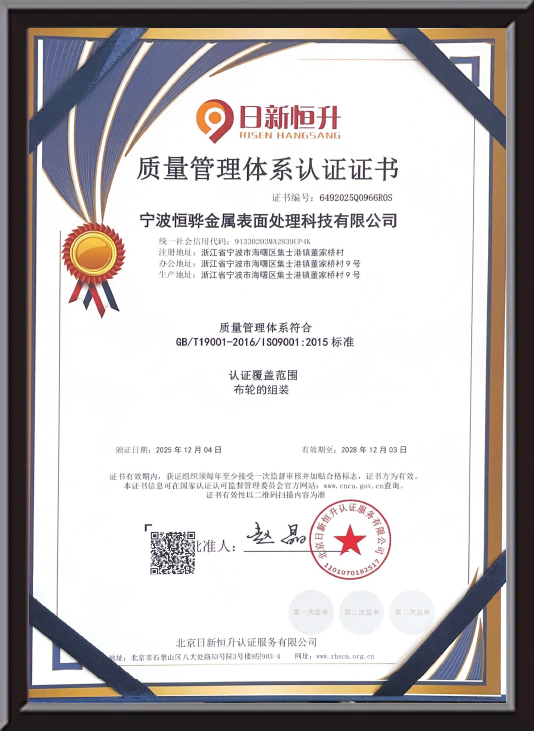
Certificat de Onoare
Feedback de Mesaj
Induratus Cloth Ventus Rota Cunostinte din Industrie
A hardened cloth wind wheel is a high-performance abrasive tool engineered for demanding metal surface treatment applications. Unlike standard polishing wheels, it combines a rigid, resin-bonded cloth structure with precisely graded abrasive grains, delivering consistent cutting action and a refined surface finish in a single operation. For manufacturers seeking reliable deburring, blending, and finishing results across ferrous and non-ferrous metals, the hardened cloth wind wheel has become an essential component in modern polishing workflows.
Key Advantages of the Hardened Cloth Wind Wheel
The hardened cloth wind wheel offers a set of measurable benefits that distinguish it from conventional fiber or sisal wheels. Its layered cloth construction is impregnated with hardening resin, giving each layer structural rigidity while retaining enough flexibility to conform to contoured workpiece surfaces.
- Consistent abrasive contact: The hardened layers maintain uniform pressure across irregular profiles, reducing uneven wear patterns common with softer wheels.
- Extended service life: Resin hardening significantly slows surface degradation, making the wheel cost-effective for high-volume production lines.
- Broad material compatibility: Suitable for stainless steel, carbon steel, aluminum alloys, brass, and copper workpieces.
- Reduced heat buildup: The wind-wheel structure promotes airflow around the contact zone, limiting thermal discoloration on heat-sensitive substrates.
- Clean finish output: Produces a bright, uniform surface suitable for downstream plating, anodizing, or coating processes.
How the Hardened Cloth Wind Wheel Works
The working principle of the hardened cloth wind wheel centers on controlled abrasive cutting combined with centrifugal flexibility. The wheel is assembled from multiple layers of cloth cut into petal or fan shapes, then bonded at the core with resin compounds to create a hardened central body. During rotation, the outer cloth petals fan outward under centrifugal force, creating a self-renewing abrasive surface that consistently presents fresh grain to the workpiece.
As the wheel contacts the metal surface, the hardened inner layers provide structural support while the outer petals flex to follow surface contours. This dual-action behavior allows operators to blend welds, remove mill scale, and achieve a pre-polish finish without the aggressive gouging associated with harder grinding wheels. The open petal design also dissipates heat efficiently, which is critical when working with stainless steel or aluminum where thermal damage can compromise corrosion resistance.
Typical Applications Across Manufacturing Industries
The hardened cloth wind wheel is widely deployed wherever metal surfaces require a combination of material removal and aesthetic refinement. The table below summarizes the most common industrial scenarios:
| Industry | Application | Typical Workpiece |
|---|---|---|
| Sanitary Ware & Plumbing | Weld blending, pre-chrome finish | Faucets, pipe fittings |
| Automotive Parts | Deburring, surface blending | Brackets, exhaust components |
| Hardware & Fasteners | Edge rounding, scale removal | Bolts, hinges, handles |
| Kitchenware | Mirror pre-polish, scratch removal | Pots, cutlery, sinks |
| Industrial Equipment | Surface reconditioning | Shafts, frames, enclosures |
Selecting the Right Hardened Cloth Wind Wheel for Your Process
Choosing the correct wheel specification directly impacts both finishing quality and operational efficiency. The primary variables to evaluate are abrasive grit size, wheel diameter, bore size, and hardness grade of the cloth layers.
Grit selection follows the general rule of matching coarseness to the degree of surface correction needed: coarser grits (60–120) for scale removal and weld blending, medium grits (150–240) for general polishing, and fine grits (320+) for pre-mirror finishing. Wheel diameter should be matched to the machine spindle speed to stay within the manufacturer's recommended surface speed range—operating outside this range accelerates wear and can compromise finish consistency.
As a supplier focused on efficient, precise, and environmentally friendly polishing materials, Ningbo Henghua Metal Surface Treatment Technology Co., Ltd. provides customized hardened cloth wind wheel solutions tailored to specific substrate materials and production line requirements—offering B2B buyers a reliable path to consistent surface quality at scale.
Frequently Asked Questions
Q1: What is the difference between a hardened cloth wind wheel and a standard sisal polishing wheel?
A standard sisal wheel is made from natural fiber and relies primarily on applied polishing compound for its cutting action, making it suited to final buffing and high-gloss work. The hardened cloth wind wheel, by contrast, incorporates abrasive grains directly into or onto its cloth layers and uses resin hardening to maintain structural integrity under load. This makes it more effective for intermediate-stage work such as deburring, weld removal, and surface blending before a final mirror polish step.
Q2: Can a hardened cloth wind wheel be used on automated polishing lines?
Yes. The hardened cloth wind wheel is well-suited to both manual bench grinders and automated polishing machines. Its consistent diameter and balanced construction minimize vibration on high-speed spindles. For automated lines, it is advisable to specify wheels with uniform hardness grades across the batch to ensure repeatable finish output from part to part.
Q3: How should the hardened cloth wind wheel be stored to maintain its performance?
Store wheels in a dry, temperature-stable environment away from direct sunlight and chemical exposure. Humidity can soften the resin binder over time, reducing the hardness advantage that defines this wheel type. Wheels should be kept flat or hung vertically to prevent deformation of the cloth layers. Following correct storage practices helps preserve dimensional accuracy and abrasive consistency until the wheel is put into service.
Getting the Most from Your Hardened Cloth Wind Wheel
Maximizing wheel life and finish quality comes down to operating discipline. Apply consistent, moderate pressure rather than forcing the wheel into the workpiece—excessive force compresses the cloth petals and shortens service life without improving cut rate. Keep the contact angle between 15° and 30° for most applications to ensure the petal tips do the work rather than the wheel face.
Periodically inspect the wheel for uneven petal wear, which can signal incorrect spindle speed or improper contact angle. Established since 2016, Henghua Metal has built its production capability around technology-driven quality standards, offering B2B partners not just standardized products but engineered solutions aligned to their specific surface treatment targets—backed by a supply network reaching manufacturers across Europe, the Americas, and the Middle East.
Whether your operation requires off-the-shelf grit selections or a customized specification for a unique alloy or coating requirement, partnering with a supplier experienced in the full surface treatment process chain ensures that the hardened cloth wind wheel you select performs reliably from the first part to the last.
Ningbo Henghua Metal Surface Treatment Technology Co., Ltd. s-a specializat in cercetarea si dezvoltarea si productia de roti de lustruire din panza, ceara de lustruire, roti de lustruire lichide si pasta de lustruire pentru metale.
Clasificare
Informatii de Contact
-
[email protected]
[email protected]
[email protected] -
+86-13777066809
+86-574-88187397 - No.9, Xiaodongjiaqiao, Jishigang Oppidum, Haishu Districtus, Ningbo urbs, Zhejiang Provincia, China
Pastrati Legatura
Drepturi de autor © Ningbo Henghua Metal Surface Treatment Technology Co., Ltd. Induratus Cloth Ventus Rota Fabrica Induratus Cloth Ventus Rota Furnizori Toate drepturile rezervate.
